

More than 3 billion people worldwide are expected to use digital wallets and mobile payment services, highlighting how quickly cashless transactions are becoming the preferred way to pay. As consumers seek faster, safer, and more convenient payment experiences, businesses are also adopting digital payment solutions to meet evolving customer expectations and improve operational efficiency.
However, the growing number of mobile payment apps has created a new challenge. With so many options available, it can be difficult to determine which platform offers the right combination of security, convenience, features, and scalability. Some apps are ideal for personal payments, while others are designed to support ecommerce transactions, retail operations, and business growth.
This guide explores the best mobile payment apps used by consumers and businesses, their key features, benefits, and how to choose the right mobile payment solution based on your specific needs and goals.
What Are Mobile Payment Apps and How Do They Work?
Mobile payments have transformed how people and businesses handle everyday transactions. Whether purchasing products online, paying at a retail store, or transferring money to friends and family, mobile payment apps provide a fast and convenient alternative to traditional payment methods. Understanding how these apps work can help consumers and businesses choose the right digital payment solutions for their needs.
What Are Mobile Payment Apps?
Mobile payment apps are digital platforms that allow users to send, receive, and manage payments using smartphones, tablets, or other connected devices. Instead of relying on cash or physical cards, users can complete transactions through digital wallets, bank accounts, or linked payment methods.
Common examples include paying for groceries with a smartphone, splitting a restaurant bill with friends, or accepting customer payments at a retail store using a mobile device.
How Mobile Payment Apps Work?
Most digital payment apps securely store payment information and use technologies such as NFC (Near Field Communication), QR codes, or online payment gateways to process transactions.
For example, a customer can use Google Pay to complete a contactless payment by tapping their phone at a payment terminal. Similarly, an ecommerce business may use PayPal or Stripe to accept online payments from customers across different locations.
Why Mobile Payments Continue to Grow?
Consumers increasingly value speed, convenience, and flexibility when making payments. At the same time, businesses are adopting mobile payment solutions to improve customer experiences, simplify transactions, and support digital operations. As smartphone usage continues to rise, mobile wallet apps and digital payment platforms are becoming an essential part of everyday commerce.
Why Mobile Payment Apps Matter for Consumers and Businesses
Mobile payment apps have become an essential part of how people and businesses manage transactions today. From everyday purchases and bill payments to online shopping and business operations, these solutions offer a faster, more convenient, and more secure way to handle payments.
Benefits for Consumers
For consumers, mobile payment apps simplify daily transactions and reduce dependence on cash or physical cards. They provide a seamless payment experience whether shopping online, paying at a store, or transferring money to friends and family.
Key benefits include:
- Faster and more convenient payments
- Easy peer-to-peer money transfers
- Enhanced security through encryption and authentication
- Reduced need to carry cash or cards
- Better visibility into spending and transaction history
For example, instead of searching for a wallet, a customer can complete a payment in seconds using their smartphone.
Benefits for Businesses
Businesses use mobile payment solutions to improve operational efficiency and meet evolving customer expectations.
Key advantages include:
- Faster payment processing
- Improved customer experience
- Reduced cash handling and management
- Better transaction tracking and reporting
- Increased efficiency across payment operations
For example, a retail store that accepts contactless payments can reduce checkout times, serve more customers, and create a smoother purchasing experience.
Key Features to Look for in Mobile Payment Apps
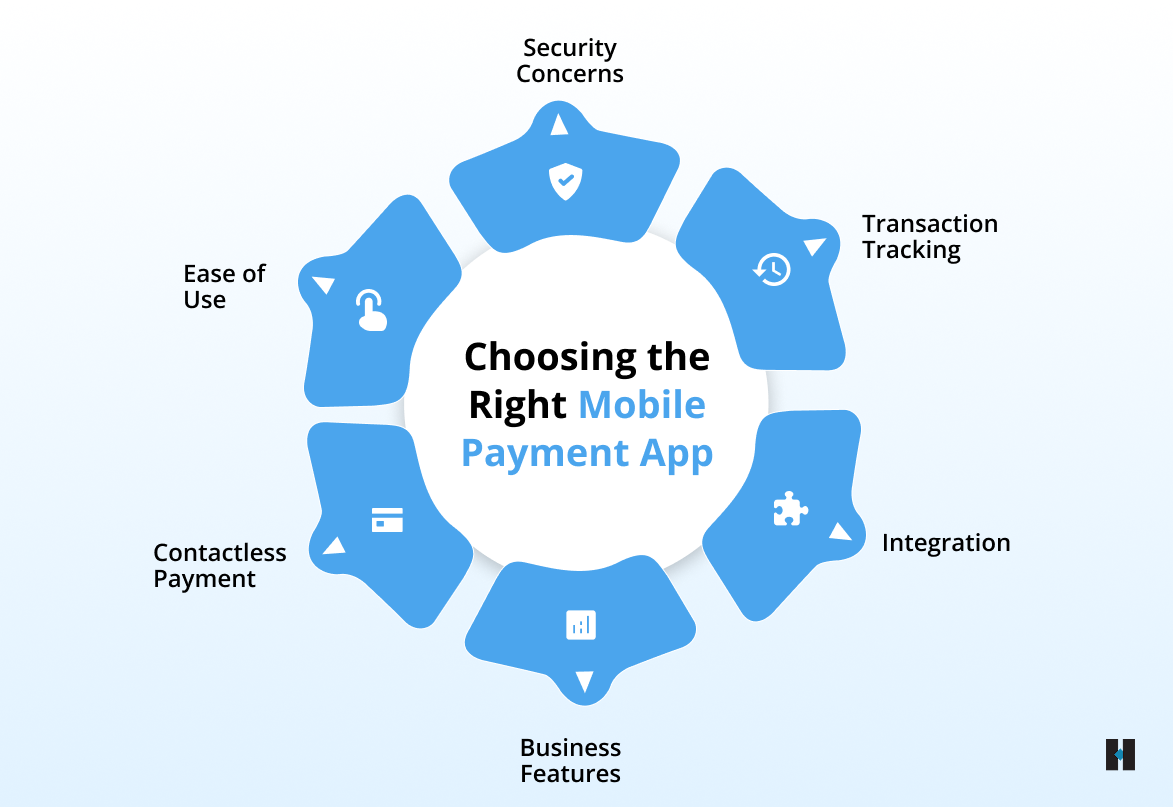
Not all mobile payment apps offer the same capabilities. Whether you are a consumer looking for convenience or a business searching for reliable mobile payment solutions, understanding the most important features can help you choose a platform that aligns with your needs.
- Security and Fraud Protection
Security should always be a top priority when choosing a payment platform. The best secure mobile payment apps use features such as encryption, tokenization, multi-factor authentication, and fraud monitoring to protect sensitive information. For example, when customers make online purchases or transfer money through an app, these security measures help reduce the risk of unauthorized access and payment fraud.
- Ease of Use
A payment app should provide a simple and intuitive user experience. Users should be able to set up accounts, link payment methods, and complete transactions without complicated processes. This is especially important for consumers who want quick, everyday payments and businesses that need a seamless checkout experience for customers.
- Contactless Payment Capabilities
Many modern contactless payment apps allow users to complete transactions by simply tapping their smartphone or smartwatch at a compatible payment terminal. This helps speed up checkout processes in retail stores, restaurants, and other businesses while creating a more convenient payment experience.
- Business Payment Features
Businesses often require more than basic payment processing. Features such as invoicing, payment tracking, recurring billing, reporting, and customer management tools can simplify financial operations. For example, a subscription-based business can automate recurring payments while keeping track of customer transactions and revenue performance.
- Integration and Compatibility
A good mobile payment platform should integrate smoothly with ecommerce stores, websites, accounting software, and other business systems. This helps businesses streamline operations, reduce manual work, and maintain consistency across different platforms.
- Transaction Tracking and Reporting
Detailed transaction tracking and reporting features help businesses gain better visibility into revenue, customer activity, and overall financial performance. For example, a retailer can monitor daily sales trends, identify popular payment methods, and generate reports that support more informed business decisions and future planning.
If you are evaluating mobile payment solutions for your business, you can connect with the experienced professionals at tecHindustan for guidance on selecting, integrating, and optimizing payment platforms that align with your operational and growth goals
Top Mobile Payment Apps for Consumers and Businesses
Before exploring each platform in detail, it is important to understand that the best choice depends on individual or business requirements. Some platforms focus on personal convenience, while others provide advanced payment capabilities for merchants and enterprises.
| App | Best For | Consumer Use | Business Use |
| Apple Pay | Apple Users | Excellent | Limited |
| Google Pay | Android Users | Excellent | Moderate |
| PayPal | Online Payments | Excellent | Excellent |
| Samsung Wallet | Samsung Devices | Excellent | Limited |
| Venmo | Peer-to-Peer Payments | Excellent | Limited |
| Cash App | Personal Payments | Excellent | Moderate |
| Stripe | Ecommerce Businesses | Limited | Excellent |
| Square | Retail Businesses | Moderate | Excellent |
- Apple Pay
Apple Pay is one of the most widely used mobile wallet apps for Apple users. It allows secure contactless payments through iPhones, Apple Watches, iPads, and Macs. Its strong security measures, seamless setup process, and broad acceptance across retailers make it a convenient option for everyday transactions.
- Google Pay
Google Pay is a popular mobile payment app for Android users that supports both online and in-store payments. Users can make contactless transactions, transfer money, and manage payments directly from their devices. Its flexibility and ease of use make it one of the best mobile payment apps for consumers.
- PayPal
PayPal remains one of the most trusted digital payment platforms worldwide. It supports online purchases, international payments, business transactions, and invoicing. Its widespread acceptance makes it particularly valuable for ecommerce businesses and customers who frequently shop online.
- Samsung Wallet
Samsung Wallet combines mobile payments with digital wallet functionality. In addition to supporting contactless payments, it securely stores payment cards, loyalty cards, and digital credentials, making it a convenient solution for Samsung device users.
- Venmo
Venmo is widely used for peer-to-peer payments and is especially popular among younger users. It makes it easy to split bills, send money to friends, and manage shared expenses through a simple and user-friendly interface.
- Cash App
Cash App offers more than basic money transfers. Users can send and receive payments, manage transactions, and access additional financial services, making it a versatile mobile payment solution for personal use.
- Stripe
Stripe is one of the leading mobile payment platforms for businesses. It is commonly used by ecommerce websites, SaaS companies, subscription-based businesses, and online marketplaces. Its flexibility, scalability, and developer-friendly tools make it ideal for customized payment solutions.
- Square
Square is a preferred choice for retail stores, restaurants, and service-based businesses. Beyond payment processing, it provides point-of-sale systems, inventory management, customer management, and business reporting tools, helping businesses manage operations more efficiently.
How to Choose the Right Mobile Payment App
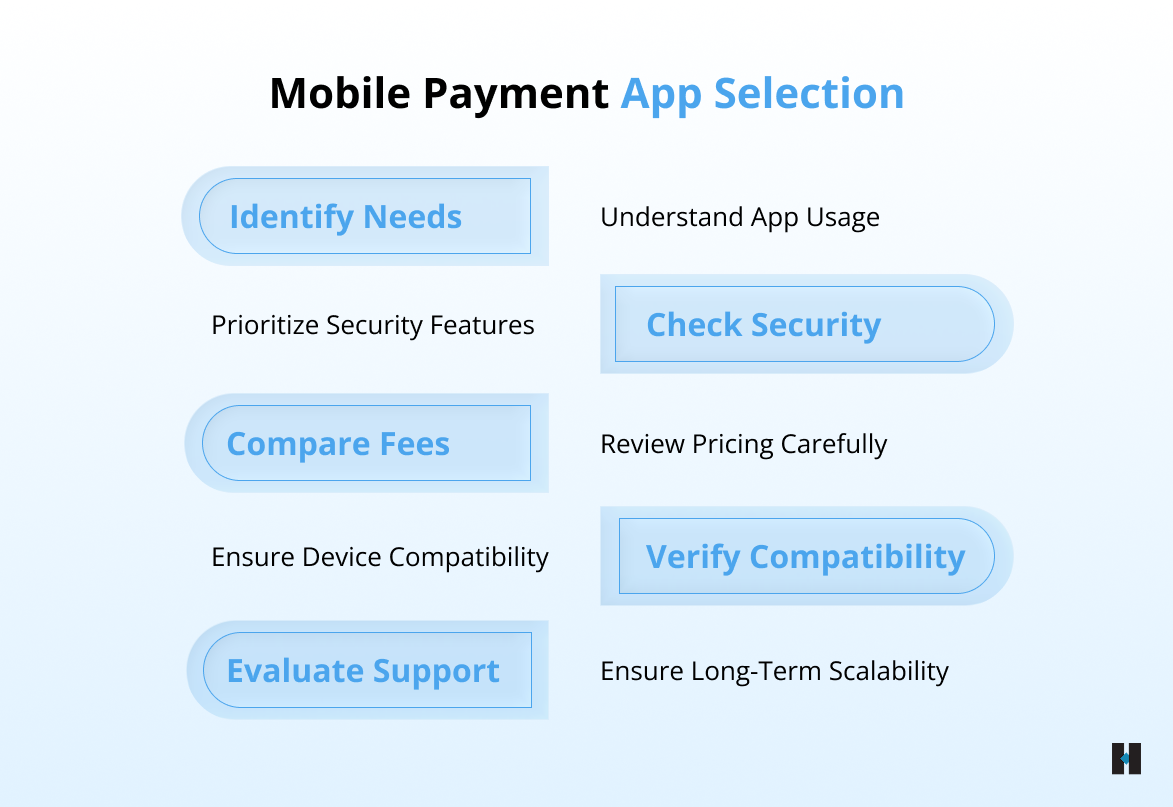
Choosing the right mobile payment app becomes easier when you evaluate your needs step by step. A well-planned decision can help consumers enjoy smoother transactions and allow businesses to improve payment operations, customer experiences, and long-term scalability.
Step 1: Identify Your Payment Needs
Start by understanding how you plan to use the app. Consumers may look for convenience, fast payments, and easy money transfers, while businesses may require features such as POS systems, online payment processing, invoicing, or recurring billing support.
Step 2: Check Security Features
Always prioritize security when selecting a mobile payment platform. Look for features such as encryption, multi-factor authentication, tokenization, and fraud protection to help secure transactions and sensitive payment information.
Step 3: Compare Fees and Costs
Businesses should carefully review transaction fees, processing charges, and pricing structures. Understanding these costs early helps avoid unnecessary expenses as payment volumes grow.
Step 4: Verify Device Compatibility
Some payment apps work better within specific ecosystems. For example, Apple Pay is optimized for Apple users, while Samsung Wallet works best on Samsung devices.
Step 5: Evaluate Long-Term Business Support
Businesses should also assess reporting tools, integrations, scalability, and payment management features to ensure the platform can support future operational and growth requirements.
If you are planning to implement secure and scalable mobile payment solutions for your business, you can connect with the experienced professionals at tecHindustan. Our team helps businesses integrate modern payment platforms, optimize digital transactions, improve customer experiences, and build future-ready payment systems designed to support long-term business growth.
Common Challenges Businesses Face with Mobile Payments
Although mobile payment solutions offer convenience and operational benefits, many businesses still face challenges when implementing and managing digital payment systems effectively.
- Security and Compliance: Businesses must protect sensitive customer payment information while meeting industry security and compliance standards to reduce fraud and data breach risks.
- Integration Complexity: Connecting mobile payment platforms with existing websites, ecommerce stores, mobile apps, and business systems often requires technical expertise and proper planning.
- Managing Multiple Payment Options: Customers prefer different payment methods, making it challenging for businesses to support multiple platforms while maintaining a smooth payment experience.
- Transaction Tracking Issues: Without reliable reporting and monitoring systems, tracking payment activity, customer transactions, and financial performance can become difficult.
- Scalability Concerns: As businesses grow, payment systems must handle increasing transaction volumes, customer demands, and operational complexity efficiently.
If your business is facing these challenges, connecting with experienced professionals at tecHindustan can help simplify payment integration, improve security, and build scalable mobile payment solutions for long-term growth.
How Mobile Payment Apps Are Shaping the Future of Digital Transactions
Digital payments are becoming faster, smarter, and more connected as consumers and businesses continue adopting mobile payment solutions. Modern mobile payment apps are now improving not only transactions but also customer experiences, security, and digital commerce operations.
Some major trends shaping the future of digital payments include:
- Faster growth of contactless payments
- Increased adoption of mobile commerce
- Better fraud detection using AI technologies
- Smarter and more personalized digital wallets
- Improved customer convenience and payment flexibility
- Seamless integration with ecommerce platforms and business systems
As digital payment technologies continue evolving, businesses that adopt modern mobile payment platforms early will be better prepared to meet changing customer expectations, improve operational efficiency, and support long-term business growth.
How tecHindustan Helps Businesses Implement Modern Payment Solutions
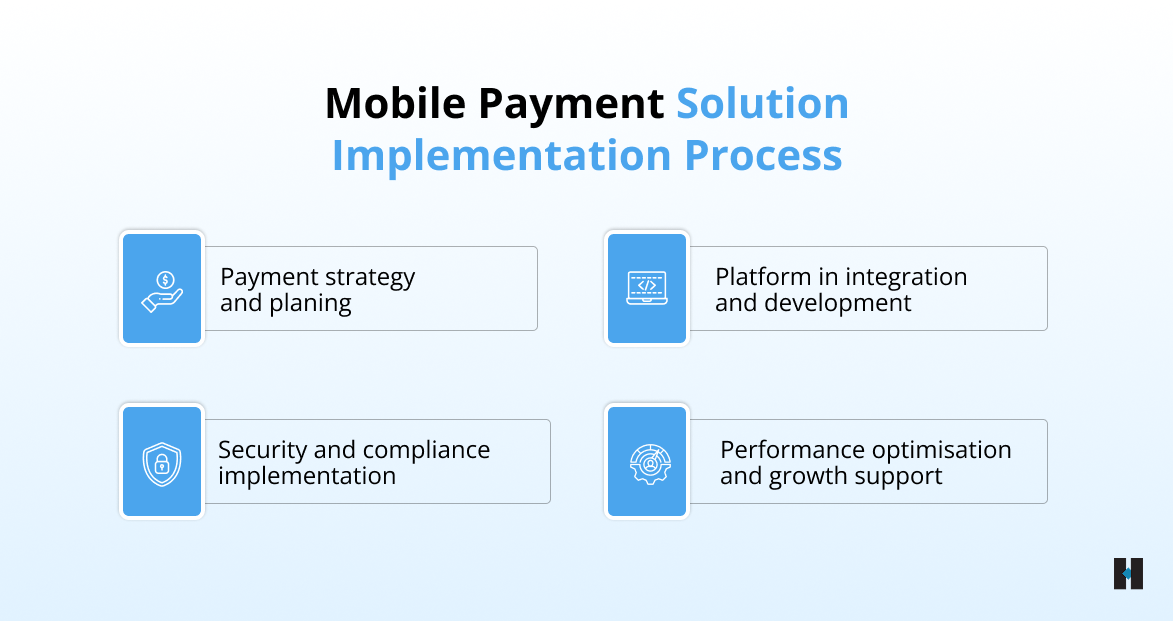
Implementing mobile payment solutions requires careful planning, secure integration, and long-term scalability. At tecHindustan, we help businesses build payment systems that align with operational requirements, customer expectations, and future growth goals.
Phase 1: Payment Strategy and Planning
Our team evaluates your business requirements, customer behavior, transaction needs, and operational goals to recommend the most suitable mobile payment platforms and digital payment solutions.
Phase 2: Platform Integration and Development
We integrate payment systems into websites, ecommerce stores, enterprise platforms, and mobile applications while ensuring smooth functionality and seamless customer experiences. Our team also develops secure and scalable mobile applications that support modern payment capabilities.
Phase 3: Security and Compliance Implementation
We help businesses strengthen payment security through secure architecture, compliance support, fraud prevention measures, and reliable payment management practices.
Phase 4: Performance Optimization and Growth Support
Our team continuously monitors and optimizes payment systems to improve transaction performance, reliability, scalability, and user experience as business operations grow.
Whether you are launching a new payment solution or upgrading an existing system, the experienced professionals at tecHindustan can help you build scalable and future-ready payment technologies for long-term business success.
Conclusion
Mobile payments have transformed how consumers and businesses manage transactions. From digital wallets and peer-to-peer transfers to advanced business payment processing, today’s mobile payment apps offer greater convenience, security, and flexibility than ever before.
The best choice depends on your specific needs, whether you are looking for a simple personal payment solution or a comprehensive platform that supports business growth. By evaluating security, functionality, compatibility, and scalability, you can select a payment solution that delivers long-term value.
If you are looking to implement secure, scalable, and future-ready mobile payment solutions, get in touch with the experts at tecHindustan. Our team helps businesses integrate modern payment technologies, optimize customer experiences, and build digital solutions that support sustainable growth and operational efficiency.
FAQs
