

More than 60% of businesses today rely on software to manage operations, customer communication, sales, analytics, and daily workflows. However, many organizations still struggle with one important decision: whether to choose custom software development or ready-made software solutions.
The challenge often comes from balancing operational requirements, scalability, budget, and long-term business goals. While ready-made software offers faster setup and lower upfront costs, it may not always support unique workflows or future business expansion. On the other hand, custom software provides flexibility and personalized functionality, but businesses are often concerned about development time and investment.
Choosing the wrong software solution can lead to workflow inefficiencies, integration issues, limited scalability, and unnecessary operational expenses over time.
This blog explains the difference between custom software and ready-made software, their advantages, limitations, cost considerations, scalability factors, and how businesses can choose the right solution based on their operational needs and long-term growth plans.
What Is Custom Software?
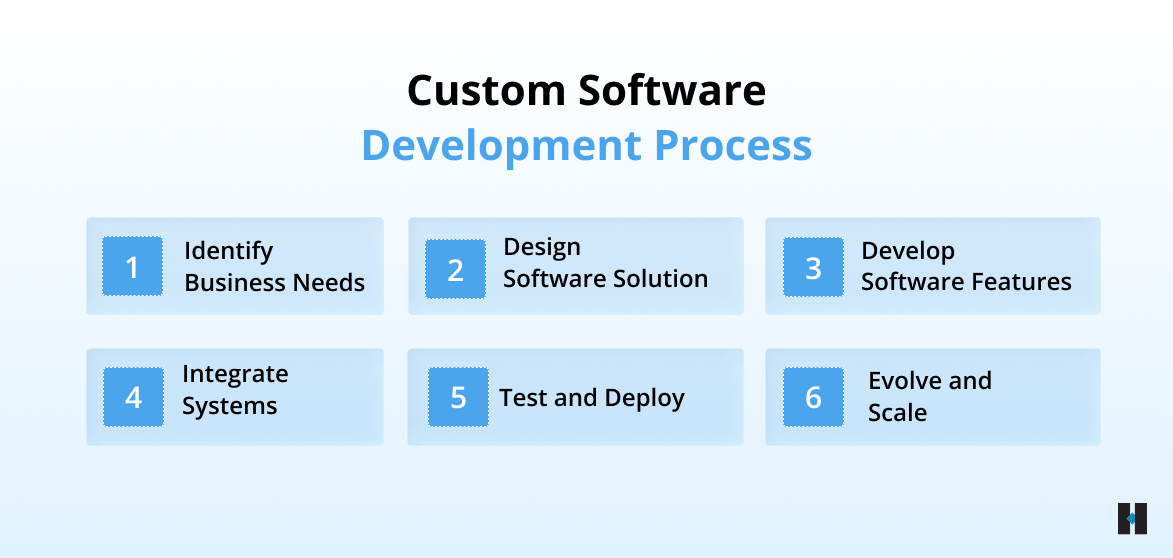
Custom software is a software solution designed and developed specifically for a business based on its unique workflows, operational needs, and long-term goals. Unlike ready-made software that is created for a wide audience, custom software development focuses on building features and functionalities that match a company’s exact requirements.
For example, an ecommerce business may need a system that connects inventory management, warehouse tracking, customer analytics, and AI-powered product recommendations in one platform. A ready-made solution may only support some of these features, while custom software can create a fully integrated system tailored to the business.
Businesses commonly use custom software solutions for:
- CRM and ERP systems
- Inventory management platforms
- Healthcare and fintech applications
- Customer portals
- Workflow automation
- Business analytics systems
One of the biggest advantages of custom business software is flexibility. Businesses can add features, integrations, automation, and security layers based on their operations instead of adjusting processes to fit software limitations.
Custom software also offers better scalability and long-term control. As the business grows, the software can evolve alongside operational and customer requirements.
What Is Ready-Made Software?
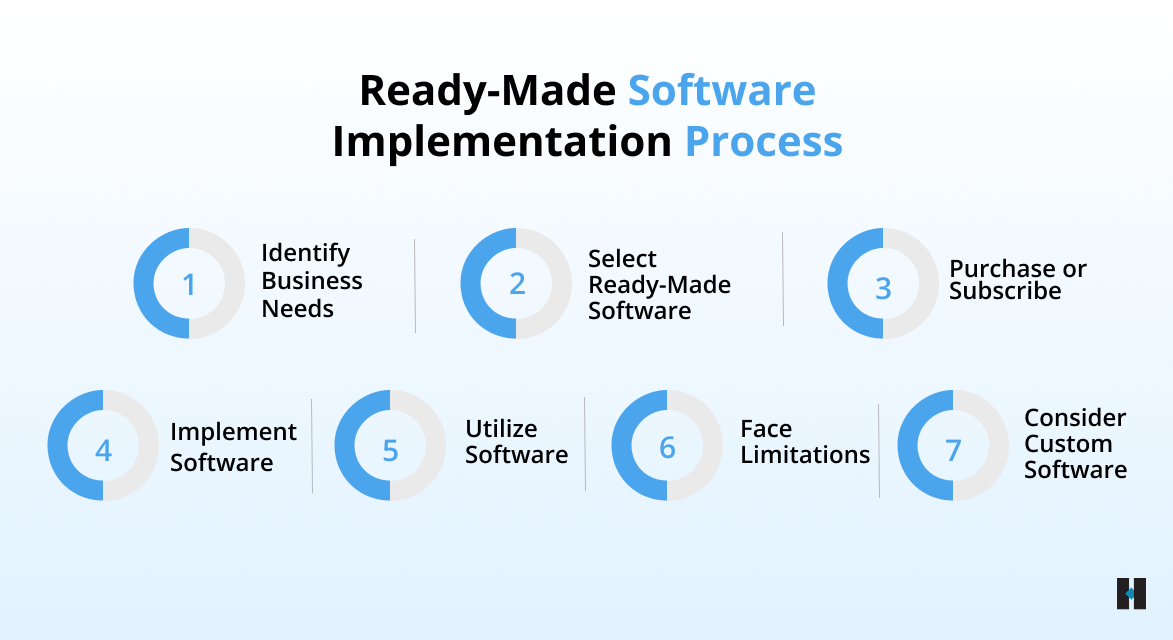
Ready-made software, also known as off-the-shelf software, is pre-built software designed for a large number of businesses and users. These software solutions are already developed, tested, and available for immediate use through subscriptions or one-time purchases, making them a popular choice for businesses that want quick implementation.
Some widely used ready-made software solutions include:
- Shopify for ecommerce management
- Salesforce for CRM and sales management
- QuickBooks for accounting and finance
- Slack for team communication
- Trello for project management
- HubSpot for marketing automation
One of the biggest advantages of ready-made software solutions is convenience. Businesses can quickly access tools for payments, customer management, analytics, collaboration, and operations without going through a long custom software development process. For startups and small businesses, this often becomes a cost-effective way to begin digital operations.
However, since off-the-shelf software is designed for broad audiences, businesses may eventually face limitations in customization, integrations, scalability, and workflow flexibility as operations grow. This is why many organizations later move toward custom software solutions that better support long-term business goals.
Comparing Custom Software and Ready-Made Software Solutions
Choosing between custom software development and ready-made software is an important decision for businesses planning long-term digital growth. Both options offer different advantages depending on operational requirements, business size, scalability goals, and budget.
For example, a startup may choose ready-made software for faster setup and lower upfront costs, while a growing enterprise may prefer custom software solutions to support automation, integrations, and personalized workflows.
Quick Comparison Table
| Factor | Custom Software | Ready-Made Software |
| Customization | Fully personalized | Limited customization |
| Deployment Time | Longer development process | Quick implementation |
| Initial Cost | Higher upfront investment | Lower starting cost |
| Scalability | Highly scalable | May have limitations |
| Security Control | Greater control | Managed by provider |
| Integrations | Built around business needs | Limited by platform |
| Long-Term Flexibility | High | Moderate |
Every business operates differently, which is why flexibility and customization often become major deciding factors when choosing between custom software and ready-made software solutions.
- Flexibility and Customization
One of the biggest advantages of custom software development is flexibility. Businesses can build features, dashboards, workflows, and integrations based on their exact operational requirements. For example, a healthcare company may need patient management, appointment scheduling, and secure medical record systems integrated into one platform. Ready-made software solutions are designed for a broad audience, which means businesses may need to adjust their workflows around the platform’s existing functionality. Although some platforms allow extensions or plugins, customization often remains limited compared to custom software.
- Development Time and Cost
Ready-made software can usually be implemented within days, making it suitable for businesses that need quick deployment. Custom software development, however, involves planning, UI/UX design, development, testing, deployment, and ongoing maintenance, which requires more time. From a cost perspective, ready-made software generally has lower upfront costs because businesses pay monthly or yearly subscription fees. Custom software requires a larger initial investment, but it can provide better long-term value by reducing licensing costs and improving operational efficiency.
- Scalability, Security, and Long-Term Control
As businesses grow, their software requirements often become more complex. Custom software solutions offer better scalability because businesses can add new features, integrations, and automation capabilities whenever needed. Custom software also provides stronger control over security measures and sensitive business data. In contrast, ready-made software depends heavily on third-party providers for updates, security policies, and platform limitations. For industries such as healthcare, finance, logistics, and enterprise operations, custom software often provides better long-term flexibility, security, and operational control. If you are planning to choose between custom software and ready-made software solutions, you can connect with the experienced professionals at tecHindustan to evaluate the right approach based on their operational needs and long-term business goals.
Key Advantages of Custom Software Solutions for Businesses
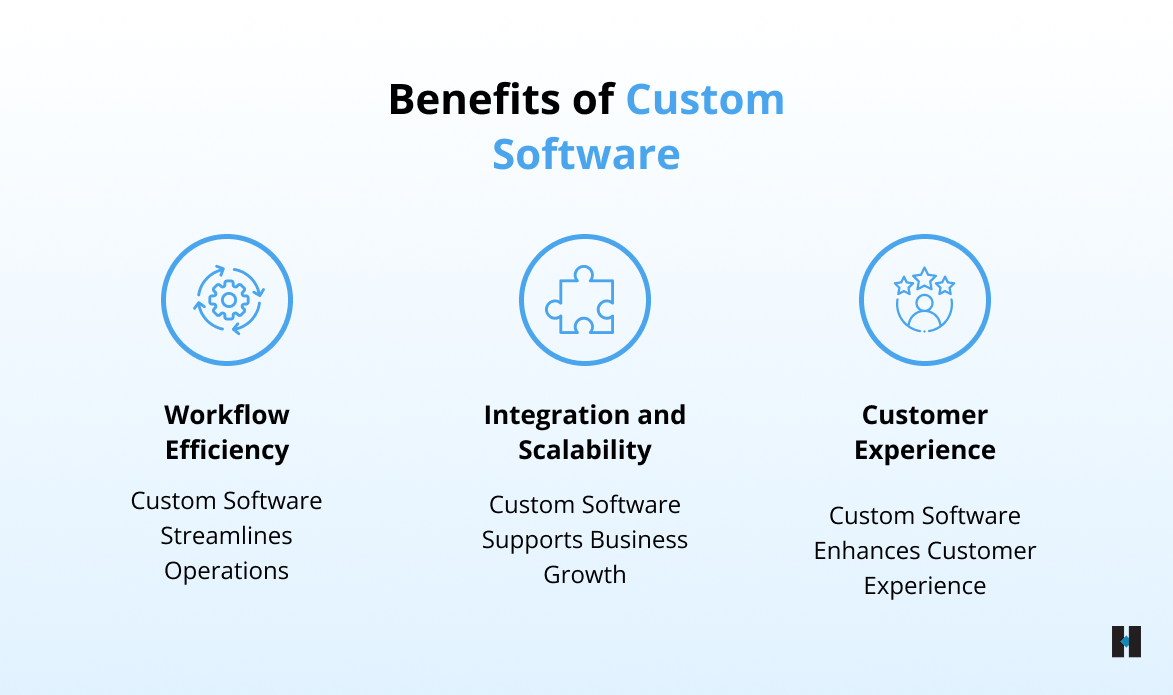
As businesses grow, operational requirements often become more complex. This is where custom software development provides long-term value by helping companies build systems that align with their exact workflows, customer needs, and business goals.
- Better Workflow Efficiency
Since custom software is designed around existing business operations, teams can work more efficiently without relying on manual workarounds or unnecessary processes. For example, a logistics company can automate order tracking, inventory updates, and delivery management within one system.
- Easier Integration and Scalability
Custom software solutions can integrate more smoothly with existing tools, APIs, databases, and automation platforms. As the business grows, new features and functionalities can also be added based on changing operational requirements.
- Improved Customer Experience and Competitive Advantage
Businesses can create personalized dashboards, portals, and customer experiences tailored specifically to their audience. This flexibility also helps companies build unique digital solutions that competitors may not offer. For businesses focused on innovation, automation, and long-term scalability, custom software development often becomes a strong competitive and operational advantage.
Why Businesses Choose Ready-Made Software Solutions
Ready-made software solutions continue to be a practical choice for many businesses, especially startups and small companies looking for faster implementation and lower upfront costs. These platforms are designed to help businesses begin operations quickly without going through a lengthy custom software development process.
- Faster Deployment and Lower Investment
One of the biggest advantages of ready-made software is quick deployment. Businesses can often start using the platform within a few hours or days after setup. Subscription-based pricing also makes off-the-shelf software more affordable for businesses with limited budgets.
- Technical Support and Easy Setup
Most ready-made software providers handle updates, bug fixes, maintenance, and security management. Many platforms are also designed for non-technical users and include tutorials, onboarding support, and user-friendly dashboards. For example, ecommerce businesses can quickly launch online stores using platforms like Shopify without requiring advanced technical expertise.
- Proven Reliability for Growing Businesses
Popular ready-made software platforms are already tested across different industries and large user bases, helping businesses reduce implementation risks while accessing reliable and stable solutions.
When Should Businesses Choose Custom Software or Ready-Made Software?
Choosing between custom software development and ready-made software depends on factors such as business goals, operational complexity, scalability requirements, and budget. Both options can provide value when selected based on the right operational needs and long-term growth plans.
Businesses Should Consider Custom Software When:
- Operations involve unique workflows or industry-specific processes
- Specialized integrations with existing systems are required
- Automation and scalability are long-term priorities
- Customer experiences need personalization
- Stronger data ownership and security control are important
- Existing software creates operational limitations
Businesses Should Consider Ready-Made Software When:
- Fast implementation is a priority
- Initial budgets are limited
- Business operations are relatively standard
- The software requirement is temporary or short-term
- Teams prefer user-friendly and simple platforms
- Scalability requirements are currently limited
Many businesses also use a hybrid approach by combining ready-made software with custom integrations or additional modules to balance flexibility, scalability, and operational costs.
Common Mistakes Businesses Make When Choosing Software
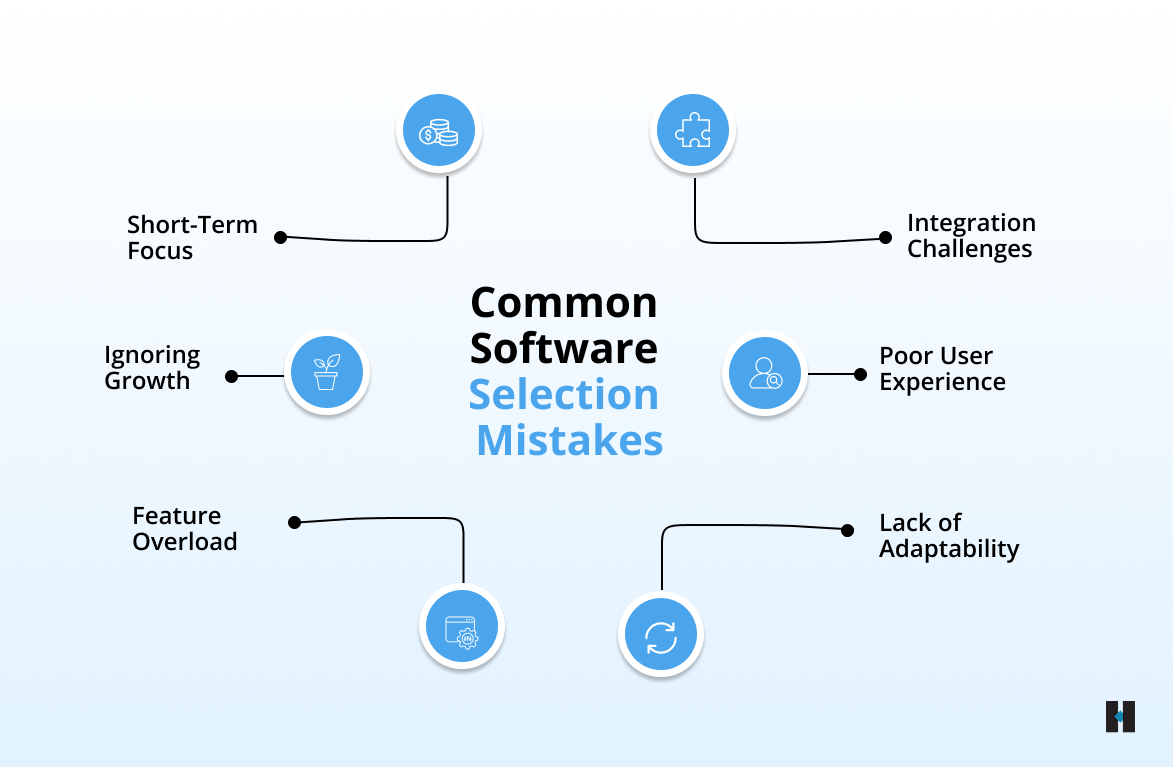
Choosing the right software solution is an important business decision, but many companies focus only on short-term convenience instead of long-term operational requirements and scalability.
- Focusing only on initial software costs without considering future scalability and operational efficiency
- Ignoring long-term business growth and future automation requirements
- Overlooking software integration challenges with existing systems and workflows
- Choosing software based on excessive features instead of actual business needs
- Neglecting user experience, which can reduce employee productivity and adoption
- Selecting software that cannot adapt to changing operational requirements over time
For example, a business may choose a low-cost, ready-made software initially, but later face workflow inefficiencies and integration limitations as operations grow.
Businesses should always choose software solutions based on operational goals, scalability, customer requirements, and long-term business efficiency rather than trends or short-term affordability alone.
How tecHindustan Helps Businesses Build the Right Software Solutions
Choosing the right software solution requires more than just selecting a platform. Businesses need technology that aligns with their workflows, operational goals, customer expectations, and long-term scalability plans. At tecHindustan, businesses receive strategic guidance and development support to build software solutions that improve efficiency, automation, and digital growth.
The process begins with understanding business workflows, operational challenges, customer journeys, and future growth requirements. Based on these insights, the team develops scalable custom software solutions tailored to specific business needs, including enterprise platforms, AI-powered applications, CRM systems, workflow automation tools, and cloud-based software solutions.
tecHindustan also focuses on smooth system integration by connecting software with APIs, analytics platforms, third-party tools, and existing business systems to improve operational efficiency and data management. Along with functionality, the team prioritizes user-friendly UI/UX design to create better user experiences, improve productivity, and increase software adoption across teams.
Whether businesses require fully custom software development or guidance in choosing the right technology stack, tecHindustan helps build scalable digital solutions designed for long-term business growth and operational success.
Conclusion
Choosing between custom software and ready-made software depends on your business goals, operational complexity, scalability needs, and long-term vision.
Ready-made software offers speed, affordability, and convenience, making it useful for startups and businesses with standard operational requirements. Custom software, on the other hand, provides flexibility, scalability, stronger integrations, and personalized workflows that support long-term business growth.
There is no single solution that fits every business. The right decision comes from understanding your operational challenges, future expansion plans, customer expectations, and technology requirements.
As businesses continue adopting automation, AI-powered systems, cloud infrastructure, and data-driven operations, software flexibility is becoming increasingly important for maintaining efficiency and competitiveness.
If you want to identify the right software solution for your business or build scalable custom software tailored to your operational needs, you can connect with tecHindustan experts for strategic consultation, development support, and long-term technology solutions.
FAQs
