

Search is no longer limited to ten blue links on Google. People still search on Google every day, but they also ask ChatGPT, Perplexity, Gemini, Claude, AI Mode, voice assistants, Reddit-style answer threads, and AI-powered shopping/research tools before making decisions. That shift is why marketers are now comparing SEO with AEO.
The change is not theoretical. Google reported that AI Overviews had reached more than 2 billion monthly users across 200+ countries and 40 languages by mid-2025. OpenAI also reported that ChatGPT had grown to more than 700 million weekly active users, making it one of the most widely used digital platforms in the world.
Studies show that AI-generated answers are already changing user behavior. Pew Research Center found that around 18% of Google searches in March 2025 generated an AI summary, and when AI summaries appeared, users were less likely to click traditional results. Semrush’s 2025 AI Overviews study, based on over 10 million keywords, found that AI Overviews expanded beyond informational searches into commercial, transactional, and navigational queries.
At the same time, SEO is not dead. Organic search still sends far more website traffic than AI platforms. SE Ranking’s 2025 analysis found that AI platforms accounted for only 0.15% of global internet traffic, compared with 48.5% from organic search, although AI traffic was growing quickly and often showed stronger engagement.
So the real question is not whether SEO or AEO will “replace” the other. The smarter question is: how do they work together, and where should brands focus in 2026?
What Is SEO?
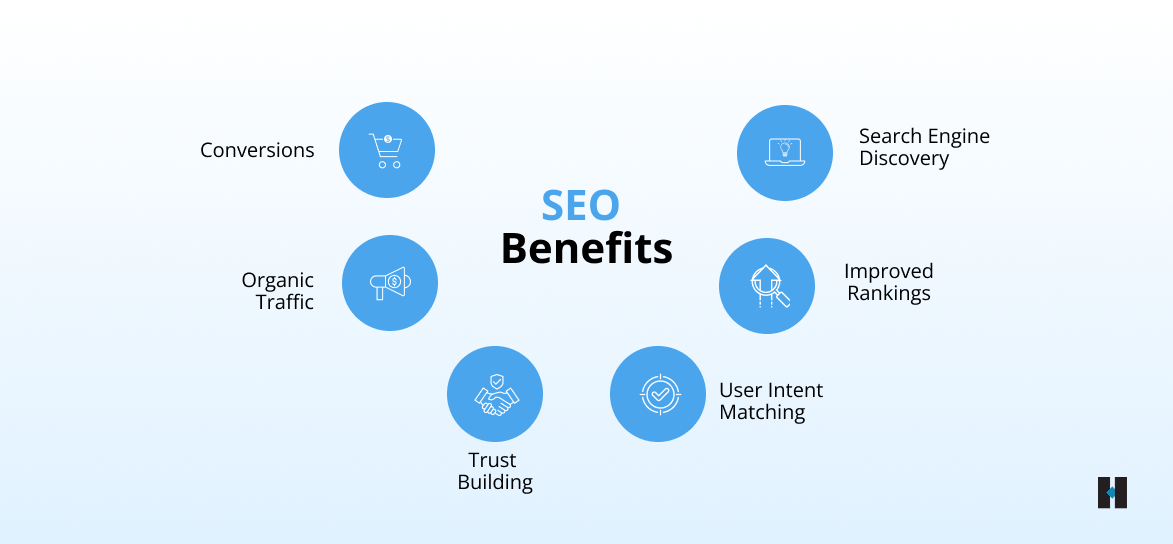
SEO, or Search Engine Optimization, is the process of improving a website so search engines can discover, understand, index, and rank its pages for relevant searches.
Google describes SEO as helping search engines understand your content and helping users find your site through search. In simple terms, SEO is about making your website visible when people search for products, services, problems, comparisons, or information related to your business.
SEO includes several core areas:
- Technical SEO helps search engines crawl and index your website properly.
- On-page SEO improves titles, headings, content, images, keywords, and search intent.
- Content SEO creates useful blogs, guides, landing pages, FAQs, and resources.
- Authority building strengthens credibility through backlinks, reviews, mentions, and expert content.
- Local SEO improves visibility in map results, local searches, and “near me” queries.
What Is AEO?
AEO, or Answer Engine Optimization, is the process of optimizing your content, brand, and digital presence so AI-powered systems can use, cite, summarize, or recommend your information in direct answers.
AEO is not only about ranking a page. It is about becoming part of the answer. Answer engines include platforms and experiences such as:
ChatGPT search, Perplexity, Google AI Overviews, Google AI Mode, Gemini, Copilot, Claude, voice assistants, AI shopping assistants, and industry-specific AI tools.
For example, instead of searching “best CRM for small business” and clicking multiple results, a user may ask:
“What is the best CRM for a 20-person B2B sales team with WhatsApp integration and under $100 per month?”
An answer engine may summarize options, compare tools, cite sources, and recommend a shortlist. In this environment, the user may not visit ten websites. They may only click one or two cited sources, or they may make a decision based on the AI-generated answer itself.
That is where AEO matters.
AEO focuses on making your content easy for AI systems to understand, extract, verify, and reference. It includes clear answers, strong entities, factual accuracy, structured content, schema markup, FAQs, author credibility, third-party mentions, reviews, comparison content, and consistent brand information across the web.
Google has also stated that the best practices for SEO remain relevant to AI features like AI Overviews and AI Mode, and that no separate “special optimizations” are required to appear in those experiences. However, Google also explains that AI features may use query fan-out, where multiple related searches are performed across subtopics and data sources to build a response.
That means AEO is not a shortcut. It is an evolution of SEO for a search environment where answers are generated, summarized, and cited differently.
The Core Difference Between SEO and AEO
The simplest difference is this:
SEO helps your website rank in search results.
AEO helps your brand appear inside answers.
Both depend on quality content, technical accessibility, topical authority, and trust. But they optimize for different user experiences.
| Area | SEO | AEO |
|---|---|---|
| Primary goal | Rank pages in search results | Get cited, mentioned, or recommended in AI answers |
| Main user behavior | User searches, scans results, clicks a page | User asks a question and receives a summarized answer |
| Success metric | Rankings, clicks, impressions, organic traffic, conversions | AI citations, brand mentions, answer visibility, referral quality, assisted conversions |
| Content style | Full pages targeting search intent | Clear, extractable, factual answers within strong pages |
| Optimization focus | Keywords, metadata, internal links, backlinks, page experience | Questions, entities, summaries, structured data, authority signals, source credibility |
| Main platforms | Google, Bing, YouTube, local search | AI Overviews, AI Mode, ChatGPT, Perplexity, Gemini, Copilot |
| Outcome | Website visit | Mention, citation, recommendation, or visit |
SEO is about earning a visible position. AEO is about becoming a trusted source of material.
Why AEO Became Important in 2026?
AEO matters more now because users are changing how they search.
Earlier, a user might search:
“SEO agency for SaaS companies”
Now, the same user may ask an AI assistant:
“Which SEO agencies are good for SaaS companies with technical SEO, content strategy, and US market experience?”
This is a much more detailed, conversational query. The answer engine may compare companies, pull information from websites, reviews, LinkedIn profiles, directories, case studies, blogs, and third-party mentions. The brand that wins may not always be the one ranking first for the traditional keyword.
This is a major shift.
Semrush found that AI Overviews are increasingly appearing for commercial, transactional, and navigational queries, not only basic informational searches. That matters because these are closer to buying decisions.
Ahrefs also reported that, as of December 2025, AI Overviews reduced organic click-through rate for position-one content by 58% in its analysis. That does not mean every industry will see the same drop, but it does show why relying only on traditional rankings is becoming risky.
For marketers, this means visibility is no longer just about “Can we rank?” It is also about “Can AI systems understand us, trust us, and include us in the answer?”
Does SEO Still Matter in 2026?
Yes. SEO still matters a lot. In fact, SEO is the foundation of AEO.
Most answer engines still rely heavily on web content. If your website is poorly structured, thin, outdated, blocked from crawlers, lacking authority, or unclear about what your brand does, AI systems have less reliable information to work with.
SEO also continues to drive measurable traffic and leads. Organic search remains one of the largest traffic sources on the web. SE Ranking’s 2025 research found that traditional organic search still massißvely outweighed AI referral traffic, even though AI traffic was growing.
This is why businesses should not abandon SEO in favor of AEO. AEO without SEO is weak because AI systems need reliable sources to learn from, cite, and validate. SEO gives your content the structure, accessibility, and authority that search engines can build on.
For example, a B2B company selling battery energy storage systems may want to appear when someone asks:
“How can factories reduce peak-hour electricity costs using battery storage?”
AEO can help the company appear in AI-generated answers. But the answer engine still needs strong source material: a detailed landing page, use-case content, FAQs, technical specifications, tariff explanations, case studies, schema markup, and expert-authored resources.
That is SEO work.
Where SEO and AEO Overlap?
SEO and AEO are not separate departments. They overlap in several important areas.
1. Helpful Content
Both SEO and AEO reward useful, clear, people-first content. Google’s guidance says SEO is helpful when it supports people-first content rather than search-engine-first content.
For SEO, helpful content earns rankings and clicks.
For AEO, helpful content gives AI systems clear information to summarize, cite, or recommend.
Bad content fails in both systems. Generic blogs, keyword stuffing, AI-spun pages, copied definitions, and shallow
2. Structured Information
Structured data helps search engines understand what a page is about. Google explains that structured data provides explicit clues about page meaning and can support rich results. Google’s structured data documentation also includes case studies where enhanced search features improved CTR and engagement for major publishers and brands.
For AEO, structure also matters because answer engines prefer content that is easy to parse.
A page with clear headings, direct answers, tables, FAQs, definitions, product specs, pros and cons, and examples is easier to interpret than a long wall of vague marketing copy.
3. Authority and Trust
SEO has always relied on authority signals: links, mentions, reviews, authorship, content quality, and reputation.
AEO also needs authority. AI systems are less likely to reference a brand if the information is inconsistent, unsupported, or only available on the brand’s own website.
For example, a healthcare, finance, legal, or energy brand needs stronger credibility than a casual lifestyle blog. Expert authors, clear methodology, updated statistics, third-party references, and transparent company information become important.
4. Search Intent
SEO maps content to intent: informational, commercial, transactional, navigational, and local.
AEO goes one step deeper. It maps content to questions, tasks, and decision journeys.
For example:
SEO keyword:
“best accounting software for small business”
AEO-style question:
“Which accounting software is best for a small retail business that needs GST invoicing, inventory tracking, and accountant access?”
The second query is more specific. To win that answer, content must go beyond generic keyword targeting.
Which One Matters More in 2026?
The honest answer is:
| SEO matters more as the foundation. AEO matters more as the future-facing visibility layer. |
You should not choose one and ignore the other. If a business has weak SEO, poor technical structure, thin content, and no authority, jumping into AEO will not solve the problem. AI systems need clear and trustworthy source material.
But if a business only focuses on rankings and ignores answer visibility, it may lose influence in the early stages of research. Users may form opinions before they ever visit the website.
So the priority depends on business maturity. If your website has weak SEO, fix SEO first.
This includes crawlability, indexing, site architecture, content quality, page speed, schema, internal linking, and search intent mapping.
If your SEO foundation is strong, build AEO on top. This includes AI-ready content, entity optimization, direct-answer formatting, expert-led content, third-party visibility, citations, reviews, and AI search tracking.
If your industry has long research cycles, AEO becomes more important.
B2B SaaS, healthcare, finance, legal, real estate, energy, education, and high-ticket ecommerce all involve research-heavy decisions. These are the types of searches where users are likely to ask AI tools for explanations, comparisons, risks, recommendations, and shortlists.
If your business depends on local or high-intent searches, SEO is still critical.
For searches like “dentist near me,” “emergency plumber,” “best restaurant nearby,” or “tax consultant in Gurgaon,” traditional SEO, local SEO, Google Business Profile optimization, and reviews still carry major weight.
How to Optimize for Both SEO and AEO in 2026?
Optimizing for SEO and AEO requires content that ranks well in search results and can also be easily understood by AI-powered answer engines. Focus on clear structure, direct answers, relevant keywords, reliable information, and strong topical coverage. The following steps can help improve visibility across both traditional search engines and AI-driven platforms.
1. Build Strong Topic Clusters
Do not create isolated blogs. Build clusters around core topics.
For example, instead of writing one blog on “AI search optimization,” create a full cluster:
- What is AI search optimization?
- SEO vs AEO
- How AI Overviews work
- How to optimize for ChatGPT search
- How to structure FAQs for AI answers
- How to measure AI visibility
- AI search optimization checklist
This helps both search engines and answer engines understand topical authority.
2. Answer Questions Directly
Every important page should include clear, direct answers.
Do not hide the answer under long introductions. If the page targets “SEO vs AEO,” explain the difference early. Then expand with examples, context, and strategy.
Answer engines prefer content that can be extracted easily.
3. Use Clear Formatting
Use H2s, H3s, bullet points, tables, FAQs, examples, definitions, and summaries.
AEO-friendly content is not necessarily short. It is structured.
A 2,500-word article can work well if it is easy to scan and each section answers a specific question.
4. Strengthen Entity Signals
Make it clear who your brand is, what it offers, where it operates, who it serves, and what topics it has expertise in.
This includes:
- About page
- Author bios
- Service pages
- Case studies
- Reviews
- Organization schema
- Product schema
- SameAs links
- Consistent brand profiles
- Third-party mentions
Answer engines need confidence in entities. If your brand information is inconsistent across the web, you become less trustworthy.
5. Add Structured Data Where Relevant
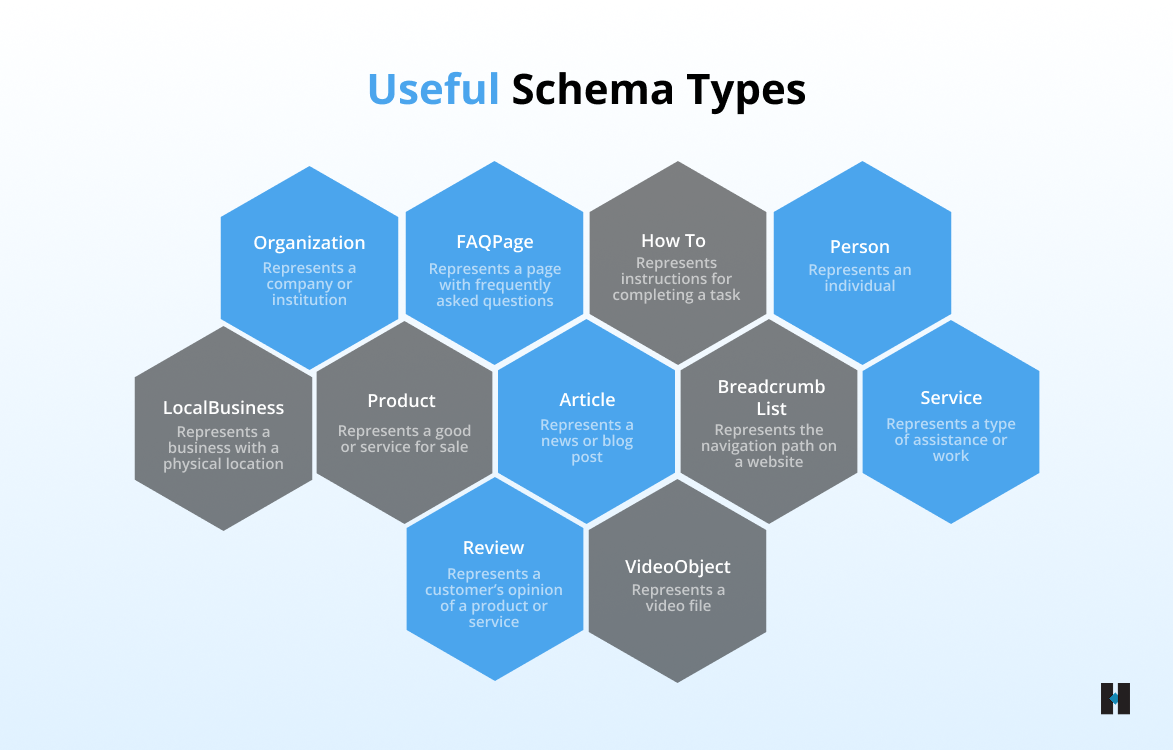
Structured data is not a magic ranking factor, but it helps search engines understand the meaning of a page. Google explicitly states that structured data provides explicit clues about a page’s meaning and can help qualify content for rich results. Use schema only where it matches visible page content.
6. Create Comparison and Decision Content
AI tools often answer comparison-style questions.
Examples:
“SEO vs AEO”
“Shopify vs WooCommerce”
“In-house team vs agency”
“Battery storage vs diesel generator”
“Google Ads vs Facebook Ads”
“CRM A vs CRM B”
These pages help users make decisions and give answer engines useful source material.
7. Use Real Examples and Specific Details
Generic content is easy to ignore.
Instead of saying:
“Battery storage reduces energy costs.”
Say:
“A manufacturing facility can use battery storage to charge during lower-tariff hours and discharge during peak tariff periods, reducing dependence on expensive grid windows and diesel backup.”
Specificity improves usefulness. It also helps AI systems understand context.
8. Keep Content Updated
AEO depends heavily on freshness for topics that change quickly.
Pricing, regulations, software features, platform policies, tariffs, product specifications, and legal guidance must be reviewed regularly. Outdated pages are less likely to be trusted by users or AI systems.
The goal is to understand both website traffic and answer visibility.
Final Thoughts
SEO and AEO should not be treated as separate strategies. For brands seeking long-term visibility in 2026 and beyond, both must work together.
Strong SEO foundations remain essential. Search engines still rely on well-structured pages, relevant keywords, internal links, technical performance, and authority signals to understand and rank content. However, rankings alone are no longer enough.
As AI Overviews, ChatGPT, Perplexity, Gemini, and other answer engines become a larger part of the discovery journey, brands must also make their content easy for AI systems to understand, summarize, and trust. This means answering real questions clearly, explaining products and services accurately, supporting important claims with credible sources, and presenting information in formats that are easy to compare and reference.
In simple terms, SEO helps your pages rank, while AEO helps your brand become part of the answer.
The strongest approach is to use SEO to build search visibility and AEO to strengthen authority across AI-generated results. Brands that begin adapting now will be better positioned to be discovered, referenced, and trusted across both traditional search engines and AI-powered platforms.
Need help building a strategy that improves your visibility across search engines and AI platforms? Contact tecHindustan to discuss how SEO and AEO can work together to support your brand’s long-term digital growth.
FAQs
